Finding the perfect swimsuit often feels like an uphill battle. Between harsh fitting room lighting, inconsistent sizing across brands, and confusing style terminology, shopping for swimwear can quickly turn from an exciting prep step for vacation into a frustrating chore.
Here is the truth: there is no such thing as a "swimsuit body." Every body is a swimsuit body. The secret to looking and feeling extraordinary on the beach or by the pool isn't changing your figure—it's understanding how different cuts, fabrics, necklines, and silhouettes interact with your unique proportions.
Whether you are looking to accentuate your natural curves, create the illusion of an hourglass silhouette, find maximum bust support, or simply feel confident and secure while diving into the ocean, this comprehensive guide has you covered. Below, we break down the science of swimwear construction, match top styles to key body shapes, highlight common fit mistakes, and answer the most pressing swimwear questions.
The Science of Swimwear Construction: Key Elements That Define Fit
Before diving into specific body shapes, it is crucial to understand the fundamental mechanics of swimwear design. Fabric technology, seam placement, and lining determine how a swimsuit lays against your skin and supports your movement.
1. Fabric Blend and Tension
High-quality swimwear typically uses a blend of nylon or polyester combined with elastane (often branded as Spandex or Lycra).
- Standard Elastane (15–20%): Offers comfortable stretch for casual lounging and light swimming.
- High-Compression Blends (25–35%): Found in shapewear-infused or performance swimwear, offering active smoothing and firmer structural support.
- Ribbed Fabrics: Add textural interest while offering natural vertical stretch, which lengthens the torso.
2. Understructure and Support Systems
Support comes from structural architecture within the suit rather than just tight fabric:
- Built-in Underwire: Best for full-coverage bust support and lift without reliance on neck ties.
- Molded Cups: Add structure, shape, and modesty without adding bulky volume.
- Power Mesh Lining: A light, breathable mesh layer integrated into the torso area for targeted control and smoothing.
3. Necklines and Leg Cuts
- High Cut: Exposes more hip and leg, creating the optical illusion of longer legs and a narrower waist.
- Low Cut / Brief Cut: Provides maximum coverage across the hips and seat, creating stability for active movement.
- V-Neck & Plunge: Draws the eye vertically, elongating the neck and torso while highlighting the chest.
- Square & Scoop Neck: Frames the collarbones and balances broader hips or longer midsections.
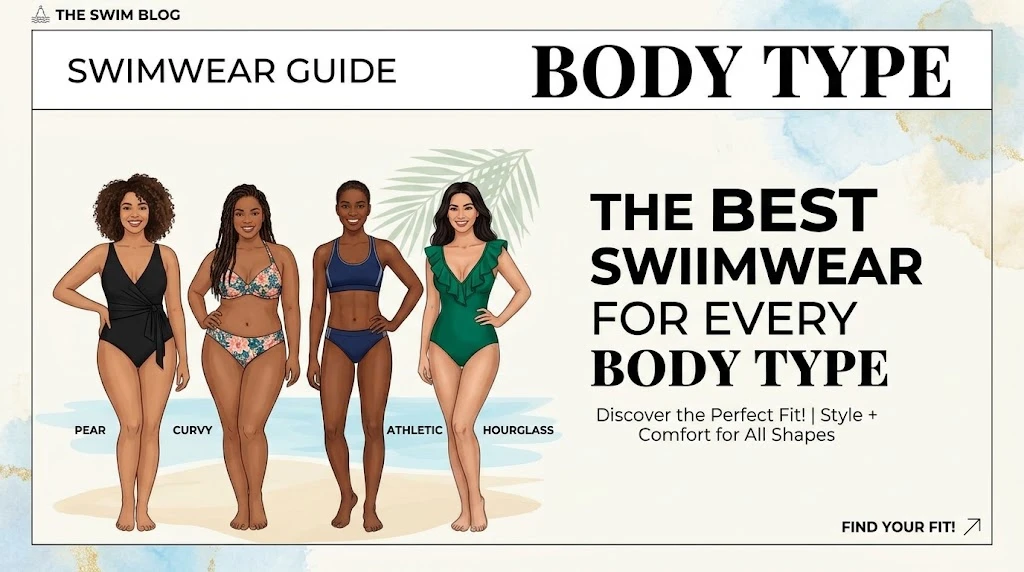
1. Hourglass Body Shape: Balancing & Accentuated Curves
Identifying the Hourglass Figure
An hourglass silhouette is characterized by a balanced hip and bust measurement, accompanied by a clearly defined, narrower waistline.
[ Broad Bust ]
\
[ Defined Waist ]
/
[ Equal Hips ]
Best Swimwear Styles for Hourglass Figures
When styling an hourglass shape, your main objective is to celebrate your natural symmetry without overwhelming your waistline.
- High-Waisted Bikinis: High-waisted bottoms with a classic cut sitting at your natural waist highlight your narrowest point while echoing timeless vintage glamour.
- Belleted One-Pieces: Swimsuits featuring belt details, color-blocked waistbands, or cinched wraps emphasize your midsection.
- Classic Sweetheart & Halter Tops: These necklines offer great support while mirroring the natural sweep of your bustline.
Key Takeaway: For hourglass figures, work with your natural symmetry. Avoid pieces that add excessive volume to only one half of your body (such as heavy ruffles only on the hips or only on the bust), which can throw off your proportion.
Pro Tip: The Fabric Stretch Test
When shopping for high-waisted bottoms, look for styles with seamless or non-binding waistbands. If a waistband digs in, it creates unwanted harsh lines across your midsection rather than smoothly highlighting your natural waist.
2. Pear Body Shape (Triangle): Enhancing the Bust & Lengthening Legs
Identifying the Pear Figure
A pear shape typically features hips and thighs that are wider than the shoulders and bust line. The waist is usually well-defined, and the upper torso tends to be smaller or more slender.
Best Swimwear Styles for Pear Figures
The strategic goal for a pear shape is to bring visual interest and balance upward to the bust line while allowing the lower body to sit comfortably without restrictive seams.
- Statement Tops (Ruffles, Patterns, Bold Colors): Eye-catching details—such as off-the-shoulder ruffles, vibrant prints, padded tops, or bright colors—draw attention to your upper half.
- Dark, Minimalist Bottoms: Pair your statement top with solid, darker-toned bottoms featuring clean lines to create an elegant, grounded look.
- High-Cut Leg Lines: Low-cut shorts or thick-banded boy shorts can slice across the widest part of your thigh, making legs look shorter. A medium-to-high leg cut elongates the leg line significantly.
| Style Element | What It Does for Pear Shapes | What to Look For |
| Plunge / Balconette Top | Adds volume and emphasis to the upper torso | Push-up padding, bright prints, ruffles |
| High-Cut Bottoms | Elongates the thighs and avoids cutting across hips | Seamless edges, solid mid-to-dark tones |
| Plunge One-Piece | Draws vertical lines straight down the center | Deep V-necks with subtle hip coverage |
Example Scenario
If you love a two-piece suit, try a Mix-and-Match strategy: choose a tropical floral bandeau top with ruffled straps, paired with a sleek, solid navy high-leg bottom. This creates instant visual balance while showing off your waist.
3. Athletic / Rectangular Body Shape: Creating Curves & Definition
Identifying the Athletic Figure
An athletic or rectangular body shape features a balanced shoulder, bust, and hip width, with a less pronounced waist curve. You tend to have a toned, streamlined frame with an evenly proportioned torso.
Best Swimwear Styles for Athletic Figures
The main design objective for athletic frames is to add dimension, soft curves, and dynamic movement to your silhouette through clever cuts and decorative details.
- Monokinis & Cut-Out One-Pieces: Side cut-outs instantly create the visual illusion of a cinched, hourglass waist by breaking up the straight line of your torso.
- Tie-Side Bikini Bottoms: Side ties add volume to the hip area, and subtle hardware (like rings or bows) adds dimension to your lower half.
- Padded Bandeaus & Triangle Tops: Halter tops with ruching, triangular cups, or subtle padding add depth and curves to smaller bust sizes.
Key Takeaway: Don't shy away from dynamic patterns, horizontal stripes, or textural details like ribbed or crinkled fabrics. Texture adds instant dimension to streamlined frames.
Pro Tip: The Power of Deep Cut-Outs
If you prefer full coverage on top and bottom but want to avoid a "boxy" look, opt for a one-piece featuring a high neck and dramatic open-back or deep side cut-outs. It keeps the swimsuit functional for swimming while sculpting your waist optically.
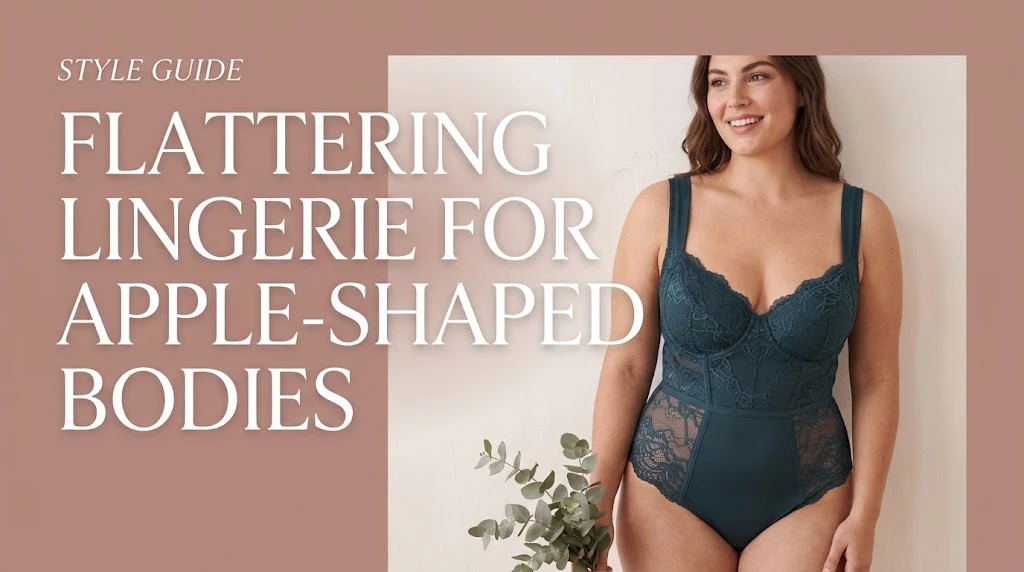
4. Apple Body Shape (Inverted Triangle / Round): Midsection Support & Elongation
Identifying the Apple Figure
An apple body shape generally carries weight around the torso and midsection, featuring a broader bust or shoulders paired with narrower hips and leaner legs.
Best Swimwear Styles for Apple Figures
The primary goal for apple shapes is to provide structural torso support, lengthen the midsection, and showcase your legs.
- Ruched One-Pieces: Gathering or ruching across the midsection acts as built-in camouflage and architectural texture, creating a forgiving, flattering drape over the stomach area.
- Tankinis with A-Line Cuts: A tankini that flares out slightly from below the bust allows total comfort through the midsection without clinging tight to the stomach.
- Wrap-Style Swimsuits: Wrap tops and surplice one-pieces create strong diagonal lines, which slice across the torso visually to break up fullness and narrow the waistline.
[ Deep V-Neckline ]
\ /
[ Ruched / Wrap Torso ] <-- Slices across midsection vertically & diagonally
/ \
[ High-Leg Cut ] <-- Highlights toned legs
Example Scenario
Look for a one-piece in a rich jewel tone (like emerald green or sapphire blue) featuring a surplice crossover front and side ruching. Combine this with a flattering V-neck to draw the eye up toward your face and down toward your legs, bypassing the midsection entirely.
5. Full Bust & Busty Figures: Uncompromising Support & Elevating Comfort
Identifying Full Bust Shapes
You have a full bust if your chest size is D-cup or larger, regardless of whether your lower body is narrow, curvy, or athletic.
Best Swimwear Styles for Busty Figures
For fuller busts, support is paramount. Relying solely on narrow neck ties causes neck pain and tension headaches. Look for engineering designed specifically for larger cup sizes.
- Bra-Sized Tops with Underwire: Skip generic S/M/L sizing. Choose swimwear brands that sell tops by exact bra sizes (e.g., 34DD) with hidden underwires and molded cups.
- Wide, Adjustable Shoulder Straps: Thick straps distribute weight across the shoulders instead of pulling on your neck. Convertible or cross-back straps provide maximum stability.
- Bandeau Tops with Internal Structure: If you want a strapless look, ensure the top features side boning, a wide back band, and non-slip silicone gripping strips along the interior seams.
Key Takeaway: Support in a swimsuit should come from the chest band and back closure, not just the neck straps. Look for thick back closures with sturdy hook-and-eye settings.
Pro Tip: Testing Bust Support Before You Buy
When trying on a busty swimsuit, bend over, shake your shoulders, and jump gently in place. If your bust spills out of the top or the chest band slides upward, you need a smaller band size or larger cup volume.
Quick Comparison Guide: Swimwear by Body Shape
| Body Shape | Primary Goal | Ideal Top Styles | Ideal Bottom Styles | Recommended Feature |
| Hourglass | Maintain balance & highlight waist | Sweetheart, Halter, Underwire | High-waisted, Classic Brief | Belts, Cinched detail |
| Pear | Draw eye upward, soften hips | Ruffled, Plunge, Padded, Patterned | High-cut leg, Solid dark colors | Mix & match sets |
| Athletic | Create visual curves & texture | Triangle, Bandeau with ruffles | Tie-side, Cheeky, Cut-out | Side cut-outs, Ribbed fabric |
| Apple | Support midsection, elongate torso | Wrap / Surplice, Deep V-Neck | High-rise, Built-in control | Diagonal ruching, Power mesh |
| Full Bust | Superior lift & structural support | Bra-sized, Wide straps, Underwire | Balanced classic cuts | Built-in boning, Hook closures |
5 Common Swimwear Mistakes to Avoid
Even when you know your body type, small fitting mistakes can ruin your comfort and confidence. Here are the top errors shoppers make and how to fix them easily:
1. Sizing Up to Get More Coverage
- The Mistake: Buying a larger size to get more fabric coverage across your chest or bottom.
- The Solution: Swimwear fabric expands when wet. Buying a size too big leads to sagging, bagging, and shifting in water. Buy your true size and look specifically for "Full Coverage" or "Modest Cut" styles within your size category.
2. Relying on String Halters for Large Busts
- The Mistake: Wearing thin tie-neck halters when you wear a D-cup or larger.
- The Solution: Thin halter strings concentrate weight directly onto your cervical spine. Choose wide, flat straps, cross-back designs, or sports-bra style backs to distribute weight evenly.
3. Ignoring Fabric Quality and Elasticity
- The Mistake: Choosing ultra-thin, single-layer fabrics that lose shape quickly when exposed to chlorine and salt water.
- The Solution: Inspect suits for double-lining or power-mesh interiors. Look for chlorine-resistant spandex (such as Lycra Xtra Life) which lasts up to 10 times longer than standard spandex.
4. Settling for Fixed Set Sizes
- The Mistake: Buying matching two-piece sets in a single size when your top and bottom are different sizes.
- The Solution: Always shop brands that offer top and bottom separates individually. Matching your distinct top size to your distinct bottom size ensures a flawless fit.
5. Wearing Low-Cut Bottoms on Short Legs
- The Mistake: Choosing low-slung boy shorts or low-waisted briefs thinking they offer more flattering coverage.
- The Solution: Low horizontal cuts cut off the leg line, making legs appear shorter. Moving to a medium or high-cut leg exposes more leg line, instantly lengthening your lower body.
Frequently Asked Questions (FAQ)
What swimsuit style makes you look most slim?
Swimsuits featuring diagonal ruching across the waist, dark solid colors (like navy, black, or deep plum), wrap-style surplice necklines, and built-in power-mesh lining are most effective for creating a streamlined, slimmed appearance.
How do I know if my swimsuit fits correctly?
A properly fitting swimsuit should lay flat against your skin without digging in or causing bulge lines. The chest band should stay horizontal around your torso without sliding up when you raise your arms, and the fabric across your seat and midsection should remain taut without gathering or pulling loose.
What is the best swimwear for hiding a stomach bulge?
High-waisted bikini bottoms with broad, soft waistbands, ruched one-pieces, and flared tankini tops with dark midsections are ideal for smoothing and concealing a tummy area while maintaining total comfort.
How should I care for my swimwear so it maintains its fit?
Rinse your swimsuit in cool, clean water immediately after every use to remove chlorine, salt water, and sunblock. Hand wash with a mild liquid soap, gently squeeze out excess water without wringing, and lay it flat to dry in the shade. Never put swimwear in the clothes dryer.
Final Thoughts: Embrace Your Shape with Confidence
Finding the best swimwear for your body shape is not about adhering to strict rules or trying to conform to a specific aesthetic ideal. It is about understanding how structural cuts, necklines, and fabrics work together to accentuate your favorite features and provide real, comfortable support.
When you wear a swimsuit designed to complement your unique proportions, you spend less time adjusting straps and pulling down hemlines—and more time enjoying your time by the water.
Ready to Find Your Perfect Fit?
Take your measurements (bust, waist, hips, and torso length), select your body shape profile from this guide, and build a swimwear wardrobe of high-quality separates that make you feel radiant, secure, and confident all season long!
 english


 Automotive
 Gifts & Occasions
 Electronics & Computers
 Fashion & Apparel
 Beauty & Personal Care
 Home & Lifestyle
 Sports & Fitness
 Books, Movies & Music
 Baby & Kids